
Just Under the Radar

There is a sentence I have started paying much closer attention to:
“I haven’t done anything illegal. I looked into that extensively.”

That is not the reassurance some people seem to think it is.
Because there is an enormous difference between asking, “Is what I’m doing right?” and asking, “How far can I go before what I’m doing becomes illegal?”

The law establishes a floor. It does not establish the ceiling for human decency.
Something does not suddenly become kind, ethical, healthy, or harmless simply because someone researched the legal boundaries beforehand.

And that distinction matters when we talk about coercive control.
We tend to imagine abuse as one dramatic event. A threat. An assault. A single act obvious enough that everyone immediately recognizes it.
But coercive behavior can operate differently. It can be a pattern made up of individually smaller acts: monitoring someone, humiliating them, repeatedly degrading them, interfering with their relationships, using other people to reach them, threatening exposure, manipulating their choices, or finding ways to keep psychological pressure on them.
The individual pieces can look insignificant when separated.
The pattern is the point.
South Carolina lawmakers are currently considering legislation that specifically addresses this. Senate Bill 702 would define coercive control as a pattern of behavior that, in purpose or effect, unreasonably interferes with another person’s free will and personal liberty. The proposed definition includes isolation, monitoring communications and activities, repeated degradation, intimidation, certain threats involving private information, and conduct carried out indirectly through third parties or technology.
That interests me because it recognizes something our culture has been painfully slow to understand:
Not all harmful control arrives with a bruise.
Sometimes it arrives one calculated behavior at a time.
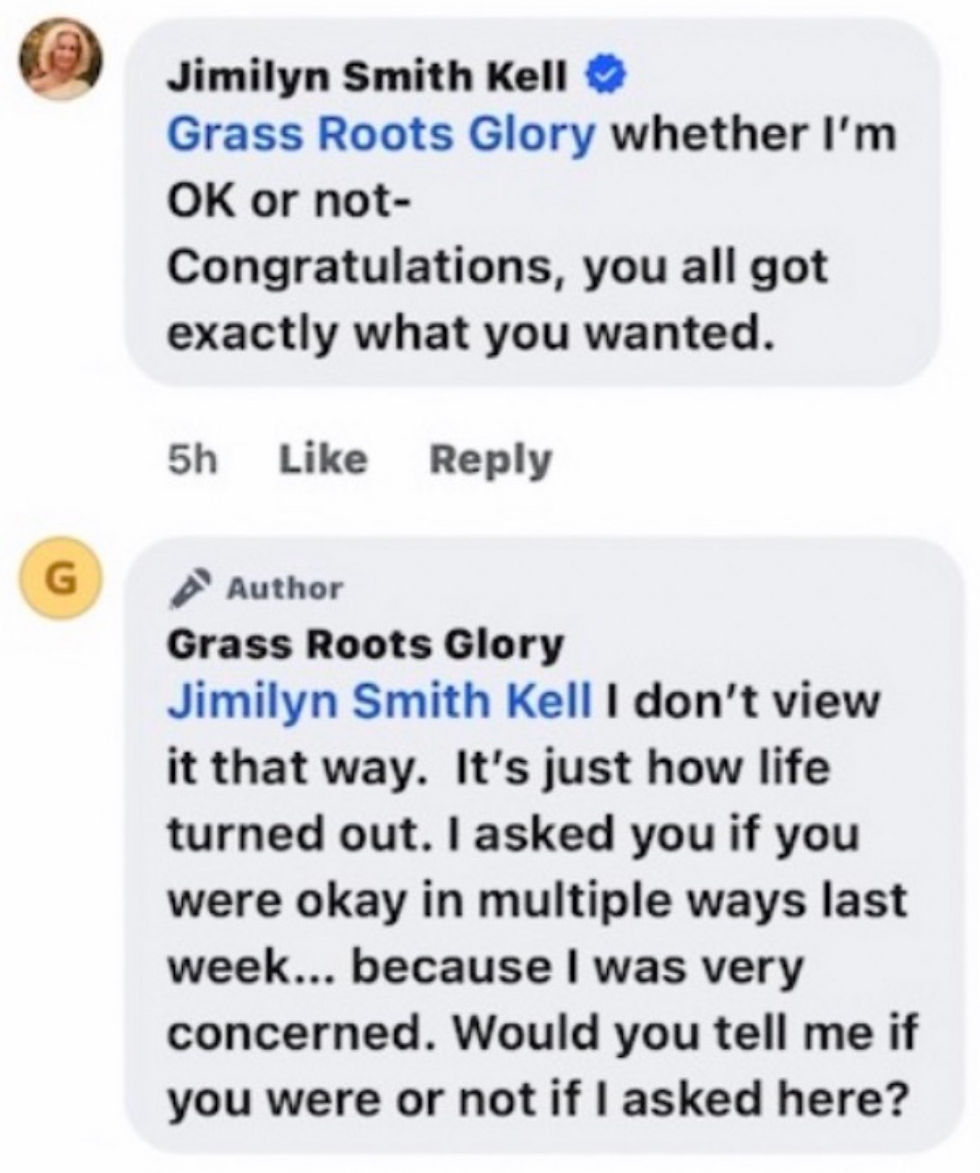
And sometimes the most revealing question isn’t simply whether someone crossed the legal line.
It’s why they were studying exactly where that line was in the first place.
I don’t want relationships in which someone has to research how much they are legally permitted to hurt me.
I don’t want apologies followed by new methods.
I don’t want kindness that exists only because the alternative might have consequences.
And I don’t believe staying one inch inside the law automatically puts someone on the right side of morality.
There is a tremendous amount of human behavior between illegal and good.
That space matters.
And the law itself is beginning to examine it.

If S.702 becomes law in South Carolina, coercive control would be recognized as domestic abuse, and those protections would extend to people in current or former dating relationships, not just people who were married.


Comments